The Energy Mix
Subscribe
Donate
  • Topics
    • Buildings & Infrastructure
    • Climate Equity & Justice
      • Energy Poverty
      • Indigenous Rights & Reconciliation
    • Climate Finance
      • Community Climate Finance
      • Finance & Investment
      • Insurance & Liability
      • Subsidies
    • Climate Impacts & Adaptation
      • Biodiversity & Habitat
      • Drought & Wildfires
      • Forests & Deforestation
      • Health & Safety
      • Heat & Temperature
      • Ice Loss & Sea Level Rise
      • Severe Storms & Flooding
    • Emissions
      • Carbon Levels & Measurement
      • CCS & Negative Emissions
      • Methane
    • Energy
      • Renewables
      • Fossil Fuels
      • Hydrogen
      • Nuclear
      • Batteries & Storage
      • Energy Efficiency
      • Power Grids
    • Food & Agriculture
    • Industry
      • Data Centres & Tech
      • Critical Minerals & Mining
      • Petrochemicals & Plastics
    • Policy & Politics
      • Carbon Pricing
      • COP Conferences
      • Elections
      • Energy Politics
      • International Security & War
      • Legal & Regulatory
    • Research & Innovation
      • International Agencies & Studies
      • Research & Development
    • Society & Culture
      • Climate Action
      • Mis/Disinformation & Greenwashing
      • Jobs & Training
      • Leisure & Recreation
      • Media, Messaging, & Public Opinion
    • Transportation & Mobility
      • Electric Vehicles
      • Shipping & Aviation
      • Transit
      • Walking, Biking & Micromobility
  • Regions
    • Africa
    • Arctic & Antarctica
    • Asia
    • Australia
    • Canada
    • International
    • Mexico & the Caribbean
    • Middle East
    • Oceans
    • Small Island States
    • South & Central America
    • Subnational
    • United States
    • UK & Europe
  • Special Coverage
    • The Weekender
    • IEA2026
    • Canada’s Major Projects Office
    • Hidden Wonder Valley
    • COP30
    • Cities & Communities
    • Heat & Power
    • Community Climate Finance
  • More Resources
    • Climate Glossary
    • What If We Changed the Conversation on Climate Change?
    • Eco-Anxiety
  • About
  • Contact
No Result
View All Result
The Energy Mix
  • Topics
    • Buildings & Infrastructure
    • Climate Equity & Justice
      • Energy Poverty
      • Indigenous Rights & Reconciliation
    • Climate Finance
      • Community Climate Finance
      • Finance & Investment
      • Insurance & Liability
      • Subsidies
    • Climate Impacts & Adaptation
      • Biodiversity & Habitat
      • Drought & Wildfires
      • Forests & Deforestation
      • Health & Safety
      • Heat & Temperature
      • Ice Loss & Sea Level Rise
      • Severe Storms & Flooding
    • Emissions
      • Carbon Levels & Measurement
      • CCS & Negative Emissions
      • Methane
    • Energy
      • Renewables
      • Fossil Fuels
      • Hydrogen
      • Nuclear
      • Batteries & Storage
      • Energy Efficiency
      • Power Grids
    • Food & Agriculture
    • Industry
      • Data Centres & Tech
      • Critical Minerals & Mining
      • Petrochemicals & Plastics
    • Policy & Politics
      • Carbon Pricing
      • COP Conferences
      • Elections
      • Energy Politics
      • International Security & War
      • Legal & Regulatory
    • Research & Innovation
      • International Agencies & Studies
      • Research & Development
    • Society & Culture
      • Climate Action
      • Mis/Disinformation & Greenwashing
      • Jobs & Training
      • Leisure & Recreation
      • Media, Messaging, & Public Opinion
    • Transportation & Mobility
      • Electric Vehicles
      • Shipping & Aviation
      • Transit
      • Walking, Biking & Micromobility
  • Regions
    • Africa
    • Arctic & Antarctica
    • Asia
    • Australia
    • Canada
    • International
    • Mexico & the Caribbean
    • Middle East
    • Oceans
    • Small Island States
    • South & Central America
    • Subnational
    • United States
    • UK & Europe
  • Special Coverage
    • The Weekender
    • IEA2026
    • Canada’s Major Projects Office
    • Hidden Wonder Valley
    • COP30
    • Cities & Communities
    • Heat & Power
    • Community Climate Finance
  • More Resources
    • Climate Glossary
    • What If We Changed the Conversation on Climate Change?
    • Eco-Anxiety
  • About
  • Contact
Subscribe
Donate
The Energy Mix
Subscribe

Looming Peak in Global Gas Demand Could Mean ‘Triple Win’ for Climate

August 9, 2023
Reading time: 3 minutes

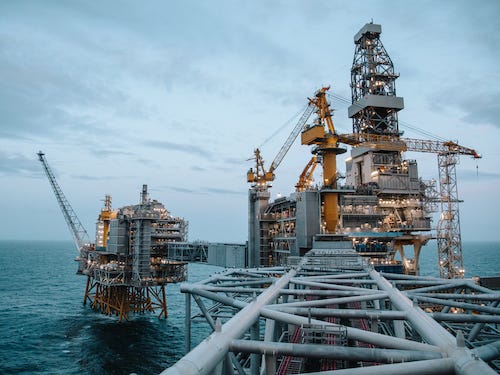
Chebyshev1983/Wikimedia

Chebyshev1983/Wikimedia

With global gas demand nearing its peak, experts are pointing to the potential for a “triple win” in climate, economy, and energy security—as long as policy-makers around the world seize the moment to cut their consumption by 110 billion cubic metres per year until 2030.

“Global peak gas demand is in sight already,” writes climate think tank E3G, in a recent blog post that heralds the end of the “golden age” of gas. “Countries have the tools to bring it forward in line with climate-safe pathways—while also improving economic and energy resilience.”

That means “the focus of international collaboration should now be on ensuring that all countries have access to a future free from volatile and polluting fossil gas.”

Get the latest climate news and analysis, direct to your inbox.

Subscribe Today

View our latest digests

The International Energy Agency (IEA) projected in 2022 that gas consumption in a business-as-usual scenario would peak around 2030, E3G notes. But more recent trends show that all-time maximum could hit sooner, “with the next two years key to locking in this development.”

The global market for fossil gas—aka natural gas—was significantly altered after Russia’s invasion of Ukraine, explains E3G. The IEA’s 2023 gas security review found that demand growth between 2020 and 2024 was 40% lower than pre-war projections. In the European Union, demand dropped 13% in 2022, driven by cuts in Russian supply. “Almost one third of this change was structural, due to increased efficiency and accelerated renewables deployment,” with a further decline expected this year.

Meanwhile, the United States’ Inflation Reduction Act is projected to erode gas demand by 12% between 2022 and 2030. In Asia, demand growth is still expected, “but projections are revised down yearly.” As key markets reduce demand, the “golden age of gas is ending,” E3G says.

But to bring emissions down to meet the targets in the 2015 Paris Agreement, global gas demand must drop 19% by 2030, and peak demand must occur far ahead of the decade’s end, E3G says. Particularly because fossil gas is a major source of climate-busting methane emissions, remaining on the net-zero path will require global demand to fall by 110 billion cubic metres (bcm) per year, to 3,268 bcm in 2030.

Slashing demand carries benefits beyond climate mitigation, stresses, since “volatile gas prices impact the entire economy.” They increase production costs for industry, and last year, they contributed to an 18% annual increase in food prices in Europe.

“Some EU countries saw households’ energy bills double their income share” despite government subsidies, the blog post states. And when Europe outbid Southeast Asian countries for liquid natural gas (LNG) in a rush to replace Russian pipeline gas, LNG and electricity prices spiked in Japan and Korea. “This caused profound economic disruption, energy rationing, and lengthy blackouts in some countries.”

While complete energy independence may be impractical, writes E3G, “reducing dependence on gas imports, and helping vulnerable importers to do the same, is a safe way to minimize risks for all.”

To hasten changes on the scale that is needed, “structurally reducing demand should become a focus of international collaboration,” E3G says. With Europe and the United States together accounting for nearly a third of global gas demand, and already structurally reducing gas usage, “they should double down on plans and share them with other G20 nations, responsible for another 40% of global gas demand.”





in Asia, Carbon Pricing, Energy Politics, Finance & Investment, International Agencies & Studies, International Security & War, Methane, Oil & Gas, UK & Europe, United States

Trending Stories

CC BY-SA 3.0/wikimedia commons
Data Centres & Tech

O’Leary Data Centre Megaproject Faces Two New Applications for Judicial Reviews

October 18, 2026
983
picryl
Policy & Politics

Canada Backsliding on Climate in ‘Same Direction’ as U.S., Tracker Finds

October 17, 2026
872
Still from a Sturgeon County video (YouTube)
Data Centres & Tech

Alberta Tribunal To Decide Whether Challenge To Meta Data Centre Can Proceed

October 17, 2026
763

Leave a Reply Cancel reply

Your email address will not be published. Required fields are marked *

I agree to the Terms & Conditions and Privacy Policy.

Get the latest climate news and analysis, direct to your inbox.

Subscribe Today

Ruminations on Climate Change and Evil

by Mitchell Beer
October 18, 2026

…

Follow Us

Looming Peak in Global Gas Demand Could Mean ‘Triple Win’ for Climate

August 9, 2023
Reading time: 3 minutes

Chebyshev1983/Wikimedia

Chebyshev1983/Wikimedia

With global gas demand nearing its peak, experts are pointing to the potential for a “triple win” in climate, economy, and energy security—as long as policy-makers around the world seize the moment to cut their consumption by 110 billion cubic metres per year until 2030.

“Global peak gas demand is in sight already,” writes climate think tank E3G, in a recent blog post that heralds the end of the “golden age” of gas. “Countries have the tools to bring it forward in line with climate-safe pathways—while also improving economic and energy resilience.”

That means “the focus of international collaboration should now be on ensuring that all countries have access to a future free from volatile and polluting fossil gas.”

Get the latest climate news and analysis, direct to your inbox.

Subscribe Today

View our latest digests

The International Energy Agency (IEA) projected in 2022 that gas consumption in a business-as-usual scenario would peak around 2030, E3G notes. But more recent trends show that all-time maximum could hit sooner, “with the next two years key to locking in this development.”

The global market for fossil gas—aka natural gas—was significantly altered after Russia’s invasion of Ukraine, explains E3G. The IEA’s 2023 gas security review found that demand growth between 2020 and 2024 was 40% lower than pre-war projections. In the European Union, demand dropped 13% in 2022, driven by cuts in Russian supply. “Almost one third of this change was structural, due to increased efficiency and accelerated renewables deployment,” with a further decline expected this year.

Meanwhile, the United States’ Inflation Reduction Act is projected to erode gas demand by 12% between 2022 and 2030. In Asia, demand growth is still expected, “but projections are revised down yearly.” As key markets reduce demand, the “golden age of gas is ending,” E3G says.

But to bring emissions down to meet the targets in the 2015 Paris Agreement, global gas demand must drop 19% by 2030, and peak demand must occur far ahead of the decade’s end, E3G says. Particularly because fossil gas is a major source of climate-busting methane emissions, remaining on the net-zero path will require global demand to fall by 110 billion cubic metres (bcm) per year, to 3,268 bcm in 2030.

Slashing demand carries benefits beyond climate mitigation, stresses, since “volatile gas prices impact the entire economy.” They increase production costs for industry, and last year, they contributed to an 18% annual increase in food prices in Europe.

“Some EU countries saw households’ energy bills double their income share” despite government subsidies, the blog post states. And when Europe outbid Southeast Asian countries for liquid natural gas (LNG) in a rush to replace Russian pipeline gas, LNG and electricity prices spiked in Japan and Korea. “This caused profound economic disruption, energy rationing, and lengthy blackouts in some countries.”

While complete energy independence may be impractical, writes E3G, “reducing dependence on gas imports, and helping vulnerable importers to do the same, is a safe way to minimize risks for all.”

To hasten changes on the scale that is needed, “structurally reducing demand should become a focus of international collaboration,” E3G says. With Europe and the United States together accounting for nearly a third of global gas demand, and already structurally reducing gas usage, “they should double down on plans and share them with other G20 nations, responsible for another 40% of global gas demand.”


in Asia, Carbon Pricing, Energy Politics, Finance & Investment, International Agencies & Studies, International Security & War, Methane, Oil & Gas, UK & Europe, United States

Leave a Reply Cancel reply

Your email address will not be published. Required fields are marked *

I agree to the Terms & Conditions and Privacy Policy.

Trending Stories

CC BY-SA 3.0/wikimedia commons

O’Leary Data Centre Megaproject Faces Two New Applications for Judicial Reviews

October 18, 2026
983
picryl

Canada Backsliding on Climate in ‘Same Direction’ as U.S., Tracker Finds

October 17, 2026
872
Still from a Sturgeon County video (YouTube)

Alberta Tribunal To Decide Whether Challenge To Meta Data Centre Can Proceed

October 17, 2026
763

Ruminations on Climate Change and Evil

by Mitchell Beer
October 18, 2026

…

Follow Us

Copyright 2026 © Energy Mix Productions Inc. All rights reserved.

  • About
  • Contact
  • Privacy Policy and Copyright
  • Cookie Policy
No Result
View All Result
  • Topics
    • Buildings & Infrastructure
    • Climate Equity & Justice
      • Energy Poverty
      • Indigenous Rights & Reconciliation
    • Climate Finance
      • Community Climate Finance
      • Finance & Investment
      • Insurance & Liability
      • Subsidies
    • Climate Impacts & Adaptation
      • Biodiversity & Habitat
      • Drought & Wildfires
      • Forests & Deforestation
      • Health & Safety
      • Heat & Temperature
      • Ice Loss & Sea Level Rise
      • Severe Storms & Flooding
    • Emissions
      • Carbon Levels & Measurement
      • CCS & Negative Emissions
      • Methane
    • Energy
      • Renewables
      • Fossil Fuels
      • Hydrogen
      • Nuclear
      • Batteries & Storage
      • Energy Efficiency
      • Power Grids
    • Food & Agriculture
    • Industry
      • Data Centres & Tech
      • Critical Minerals & Mining
      • Petrochemicals & Plastics
    • Policy & Politics
      • Carbon Pricing
      • COP Conferences
      • Elections
      • Energy Politics
      • International Security & War
      • Legal & Regulatory
    • Research & Innovation
      • International Agencies & Studies
      • Research & Development
    • Society & Culture
      • Climate Action
      • Mis/Disinformation & Greenwashing
      • Jobs & Training
      • Leisure & Recreation
      • Media, Messaging, & Public Opinion
    • Transportation & Mobility
      • Electric Vehicles
      • Shipping & Aviation
      • Transit
      • Walking, Biking & Micromobility
  • Regions
    • Africa
    • Arctic & Antarctica
    • Asia
    • Australia
    • Canada
    • International
    • Mexico & the Caribbean
    • Middle East
    • Oceans
    • Small Island States
    • South & Central America
    • Subnational
    • United States
    • UK & Europe
  • Special Coverage
    • The Weekender
    • IEA2026
    • Canada’s Major Projects Office
    • Hidden Wonder Valley
    • COP30
    • Cities & Communities
    • Heat & Power
    • Community Climate Finance
  • More Resources
    • Climate Glossary
    • What If We Changed the Conversation on Climate Change?
    • Eco-Anxiety
  • About
  • Contact

Copyright 2025 © Smarter Shift Inc. and Energy Mix Productions Inc. All rights reserved.

Manage Cookie Consent
To provide the best experiences, we use technologies like cookies to store and/or access device information. Consenting to these technologies will allow us to process data such as browsing behaviour or unique IDs on this site. Not consenting or withdrawing consent, may adversely affect certain features and functions.
Functional Always active
The technical storage or access is strictly necessary for the legitimate purpose of enabling the use of a specific service explicitly requested by the subscriber or user, or for the sole purpose of carrying out the transmission of a communication over an electronic communications network.
Preferences
The technical storage or access is necessary for the legitimate purpose of storing preferences that are not requested by the subscriber or user.
Statistics
The technical storage or access that is used exclusively for statistical purposes. The technical storage or access that is used exclusively for anonymous statistical purposes. Without a subpoena, voluntary compliance on the part of your Internet Service Provider, or additional records from a third party, information stored or retrieved for this purpose alone cannot usually be used to identify you.
Marketing
The technical storage or access is required to create user profiles to send advertising, or to track the user on a website or across several websites for similar marketing purposes.
  • Manage options
  • Manage services
  • Manage {vendor_count} vendors
  • Read more about these purposes
View preferences
  • {title}
  • {title}
  • {title}
No Result
View All Result
  • Topics
    • Buildings & Infrastructure
    • Climate Equity & Justice
      • Energy Poverty
      • Indigenous Rights & Reconciliation
    • Climate Finance
      • Community Climate Finance
      • Finance & Investment
      • Insurance & Liability
      • Subsidies
    • Climate Impacts & Adaptation
      • Biodiversity & Habitat
      • Drought & Wildfires
      • Forests & Deforestation
      • Health & Safety
      • Heat & Temperature
      • Ice Loss & Sea Level Rise
      • Severe Storms & Flooding
    • Emissions
      • Carbon Levels & Measurement
      • CCS & Negative Emissions
      • Methane
    • Energy
      • Renewables
      • Fossil Fuels
      • Hydrogen
      • Nuclear
      • Batteries & Storage
      • Energy Efficiency
      • Power Grids
    • Food & Agriculture
    • Industry
      • Data Centres & Tech
      • Critical Minerals & Mining
      • Petrochemicals & Plastics
    • Policy & Politics
      • Carbon Pricing
      • COP Conferences
      • Elections
      • Energy Politics
      • International Security & War
      • Legal & Regulatory
    • Research & Innovation
      • International Agencies & Studies
      • Research & Development
    • Society & Culture
      • Climate Action
      • Mis/Disinformation & Greenwashing
      • Jobs & Training
      • Leisure & Recreation
      • Media, Messaging, & Public Opinion
    • Transportation & Mobility
      • Electric Vehicles
      • Shipping & Aviation
      • Transit
      • Walking, Biking & Micromobility
  • Regions
    • Africa
    • Arctic & Antarctica
    • Asia
    • Australia
    • Canada
    • International
    • Mexico & the Caribbean
    • Middle East
    • Oceans
    • Small Island States
    • South & Central America
    • Subnational
    • United States
    • UK & Europe
  • Special Coverage
    • The Weekender
    • IEA2026
    • Canada’s Major Projects Office
    • Hidden Wonder Valley
    • COP30
    • Cities & Communities
    • Heat & Power
    • Community Climate Finance
  • More Resources
    • Climate Glossary
    • What If We Changed the Conversation on Climate Change?
    • Eco-Anxiety
  • About
  • Contact

Copyright 2025 © Smarter Shift Inc. and Energy Mix Productions Inc. All rights reserved.