The Energy Mix
Subscribe
Donate
  • Topics
    • Buildings & Infrastructure
    • Climate Equity & Justice
      • Energy Poverty
      • Indigenous Rights & Reconciliation
    • Climate Finance
      • Community Climate Finance
      • Finance & Investment
      • Insurance & Liability
      • Subsidies
    • Climate Impacts & Adaptation
      • Biodiversity & Habitat
      • Drought & Wildfires
      • Forests & Deforestation
      • Health & Safety
      • Heat & Temperature
      • Ice Loss & Sea Level Rise
      • Severe Storms & Flooding
    • Emissions
      • Carbon Levels & Measurement
      • CCS & Negative Emissions
      • Methane
    • Energy
      • Renewables
      • Fossil Fuels
      • Hydrogen
      • Nuclear
      • Batteries & Storage
      • Energy Efficiency
      • Power Grids
    • Food & Agriculture
    • Industry
      • Data Centres & Tech
      • Critical Minerals & Mining
      • Petrochemicals & Plastics
    • Policy & Politics
      • Carbon Pricing
      • COP Conferences
      • Elections
      • Energy Politics
      • International Security & War
      • Legal & Regulatory
    • Research & Innovation
      • International Agencies & Studies
      • Research & Development
    • Society & Culture
      • Climate Action
      • Mis/Disinformation & Greenwashing
      • Jobs & Training
      • Leisure & Recreation
      • Media, Messaging, & Public Opinion
    • Transportation & Mobility
      • Electric Vehicles
      • Shipping & Aviation
      • Transit
      • Walking, Biking & Micromobility
  • Regions
    • Africa
    • Arctic & Antarctica
    • Asia
    • Australia
    • Canada
    • International
    • Mexico & the Caribbean
    • Middle East
    • Oceans
    • Small Island States
    • South & Central America
    • Subnational
    • United States
    • UK & Europe
  • Special Coverage
    • The Weekender
    • IEA2026
    • Canada’s Major Projects Office
    • Hidden Wonder Valley
    • COP30
    • Cities & Communities
    • Heat & Power
    • Community Climate Finance
  • More Resources
    • Climate Glossary
    • What If We Changed the Conversation on Climate Change?
    • Eco-Anxiety
  • About
  • Contact
No Result
View All Result
The Energy Mix
  • Topics
    • Buildings & Infrastructure
    • Climate Equity & Justice
      • Energy Poverty
      • Indigenous Rights & Reconciliation
    • Climate Finance
      • Community Climate Finance
      • Finance & Investment
      • Insurance & Liability
      • Subsidies
    • Climate Impacts & Adaptation
      • Biodiversity & Habitat
      • Drought & Wildfires
      • Forests & Deforestation
      • Health & Safety
      • Heat & Temperature
      • Ice Loss & Sea Level Rise
      • Severe Storms & Flooding
    • Emissions
      • Carbon Levels & Measurement
      • CCS & Negative Emissions
      • Methane
    • Energy
      • Renewables
      • Fossil Fuels
      • Hydrogen
      • Nuclear
      • Batteries & Storage
      • Energy Efficiency
      • Power Grids
    • Food & Agriculture
    • Industry
      • Data Centres & Tech
      • Critical Minerals & Mining
      • Petrochemicals & Plastics
    • Policy & Politics
      • Carbon Pricing
      • COP Conferences
      • Elections
      • Energy Politics
      • International Security & War
      • Legal & Regulatory
    • Research & Innovation
      • International Agencies & Studies
      • Research & Development
    • Society & Culture
      • Climate Action
      • Mis/Disinformation & Greenwashing
      • Jobs & Training
      • Leisure & Recreation
      • Media, Messaging, & Public Opinion
    • Transportation & Mobility
      • Electric Vehicles
      • Shipping & Aviation
      • Transit
      • Walking, Biking & Micromobility
  • Regions
    • Africa
    • Arctic & Antarctica
    • Asia
    • Australia
    • Canada
    • International
    • Mexico & the Caribbean
    • Middle East
    • Oceans
    • Small Island States
    • South & Central America
    • Subnational
    • United States
    • UK & Europe
  • Special Coverage
    • The Weekender
    • IEA2026
    • Canada’s Major Projects Office
    • Hidden Wonder Valley
    • COP30
    • Cities & Communities
    • Heat & Power
    • Community Climate Finance
  • More Resources
    • Climate Glossary
    • What If We Changed the Conversation on Climate Change?
    • Eco-Anxiety
  • About
  • Contact
Subscribe
Donate
The Energy Mix
Subscribe

Coal-burning generators could swallow vital water

September 24, 2019
Reading time: 3 minutes
Author: Tim Radford

You need energy to develop. You also need water. So coal-burning generators that need water for cooling invite trouble.

LONDON, 24 September, 2019 – Economic development in Asia – hugely dependent on electricity from coal-burning generators – could be cramped by climate change.

That is because global heating could begin to constrain the supplies of water needed to cool thermal power installations.

So the generators that fuel global heating and the climate emergency by releasing huge quantities of greenhouse gases into the planetary atmosphere could create conditions in which nations could begin to experience power shortages made more likely by the extra carbon dioxide pouring from their new power station chimneys.

Power plants in Asia already account for 37% of global electricity generation and 41% of carbon dioxide emissions because 64% of this energy is already generated from coal, according to a new study in the journal Energy and Environmental Science.

Get the latest climate news and analysis, direct to your inbox.

Subscribe Today

View our latest digests

And about 490 gigawatts of new coal-fired plant could be in operation by 2030 in China, south-east Asia, Mongolia and parts of India.

“What this study shows is that coal power development can expect reduced reliability in many locations across Asia”

“One of the impacts of climate change is that the weather is changing, which leads to more extreme events – more torrential downpours and more droughts,” said Jeffrey Bielicki, a civil engineer at the University of Ohio in the US, one of the authors.

“The power plants – coal, nuclear and natural gas power plants – require water for cooling, so when you don’t have the rain, you don’t have the stream flow, you can’t cool the power plant.”

He and European colleagues base their conclusions on simulations of what could happen to regional climate under conditions of rises in planetary average temperature of 1.5°C, 2°C and 3°C above the long-term average for most of human history.

The first is the ambition agreed by 195 nations in Paris in 2015. The second is the upper limit that nations vowed to keep global temperatures to and the third is – so far – the temperature the planet is likely to reach by 2100 under present emissions scenarios.

That is simply because at a time when nations should already be closing fossil fuel power plants, more are being built. Global average temperatures in the last century have already risen by around 1°C.

Faltering reliability

The simulations found, inevitably, that more coal-fired generation would step up demand for water precisely as climate shifts due to ever-increasing levels of greenhouse gases in the atmosphere would tend to reduce the reliability of water supply. Difficult decisions lie ahead.

“We know that coal power contributes significantly to global warming – more than almost any other electricity source – and what this study shows is that coal power development can expect reduced reliability in many locations across Asia,” said Edward Byers, of the energy programme of the International Institute for Applied Systems Analysis in Austria.

And Dr Bielicki said: “There is often a perceived tension between developing your economy and protecting the environment.

“Some of the results of this study are saying ‘Hey, we expect you’re going to run into problems, so you should selectively change your plans, but also thin out your existing power plants because, as you’re adding new power plants, you’re creating more competition for water.’

“Your economy needs water but your ecosystems and people need water too.” – Climate News Network


in Climate News Network

Trending Stories

CC BY-SA 3.0/wikimedia commons
Data Centres & Tech

O’Leary Data Centre Megaproject Faces Two New Applications for Judicial Reviews

October 18, 2026
995
picryl
Policy & Politics

Canada Backsliding on Climate in ‘Same Direction’ as U.S., Tracker Finds

October 17, 2026
883
Still from a Sturgeon County video (YouTube)
Data Centres & Tech

Alberta Tribunal To Decide Whether Challenge To Meta Data Centre Can Proceed

October 17, 2026
771

Leave a Reply Cancel reply

Your email address will not be published. Required fields are marked *

I agree to the Terms & Conditions and Privacy Policy.

Get the latest climate news and analysis, direct to your inbox.

Subscribe Today

Ruminations on Climate Change and Evil

by Mitchell Beer
October 18, 2026

…

Follow Us

Coal-burning generators could swallow vital water

September 24, 2019
Reading time: 3 minutes
Author: Tim Radford

You need energy to develop. You also need water. So coal-burning generators that need water for cooling invite trouble.

LONDON, 24 September, 2019 – Economic development in Asia – hugely dependent on electricity from coal-burning generators – could be cramped by climate change.

That is because global heating could begin to constrain the supplies of water needed to cool thermal power installations.

So the generators that fuel global heating and the climate emergency by releasing huge quantities of greenhouse gases into the planetary atmosphere could create conditions in which nations could begin to experience power shortages made more likely by the extra carbon dioxide pouring from their new power station chimneys.

Power plants in Asia already account for 37% of global electricity generation and 41% of carbon dioxide emissions because 64% of this energy is already generated from coal, according to a new study in the journal Energy and Environmental Science.

Get the latest climate news and analysis, direct to your inbox.

Subscribe Today

View our latest digests

And about 490 gigawatts of new coal-fired plant could be in operation by 2030 in China, south-east Asia, Mongolia and parts of India.

“What this study shows is that coal power development can expect reduced reliability in many locations across Asia”

“One of the impacts of climate change is that the weather is changing, which leads to more extreme events – more torrential downpours and more droughts,” said Jeffrey Bielicki, a civil engineer at the University of Ohio in the US, one of the authors.

“The power plants – coal, nuclear and natural gas power plants – require water for cooling, so when you don’t have the rain, you don’t have the stream flow, you can’t cool the power plant.”

He and European colleagues base their conclusions on simulations of what could happen to regional climate under conditions of rises in planetary average temperature of 1.5°C, 2°C and 3°C above the long-term average for most of human history.

The first is the ambition agreed by 195 nations in Paris in 2015. The second is the upper limit that nations vowed to keep global temperatures to and the third is – so far – the temperature the planet is likely to reach by 2100 under present emissions scenarios.

That is simply because at a time when nations should already be closing fossil fuel power plants, more are being built. Global average temperatures in the last century have already risen by around 1°C.

Faltering reliability

The simulations found, inevitably, that more coal-fired generation would step up demand for water precisely as climate shifts due to ever-increasing levels of greenhouse gases in the atmosphere would tend to reduce the reliability of water supply. Difficult decisions lie ahead.

“We know that coal power contributes significantly to global warming – more than almost any other electricity source – and what this study shows is that coal power development can expect reduced reliability in many locations across Asia,” said Edward Byers, of the energy programme of the International Institute for Applied Systems Analysis in Austria.

And Dr Bielicki said: “There is often a perceived tension between developing your economy and protecting the environment.

“Some of the results of this study are saying ‘Hey, we expect you’re going to run into problems, so you should selectively change your plans, but also thin out your existing power plants because, as you’re adding new power plants, you’re creating more competition for water.’

“Your economy needs water but your ecosystems and people need water too.” – Climate News Network



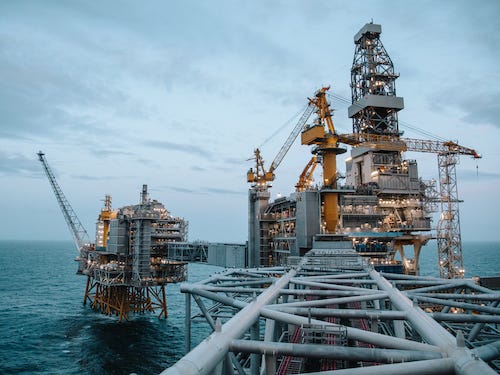

in Climate News Network

Leave a Reply Cancel reply

Your email address will not be published. Required fields are marked *

I agree to the Terms & Conditions and Privacy Policy.

Trending Stories

CC BY-SA 3.0/wikimedia commons

O’Leary Data Centre Megaproject Faces Two New Applications for Judicial Reviews

October 18, 2026
995
picryl

Canada Backsliding on Climate in ‘Same Direction’ as U.S., Tracker Finds

October 17, 2026
883
Still from a Sturgeon County video (YouTube)

Alberta Tribunal To Decide Whether Challenge To Meta Data Centre Can Proceed

October 17, 2026
771

Ruminations on Climate Change and Evil

by Mitchell Beer
October 18, 2026

…

Follow Us

Copyright 2026 © Energy Mix Productions Inc. All rights reserved.

  • About
  • Contact
  • Privacy Policy and Copyright
  • Cookie Policy
No Result
View All Result
  • Topics
    • Buildings & Infrastructure
    • Climate Equity & Justice
      • Energy Poverty
      • Indigenous Rights & Reconciliation
    • Climate Finance
      • Community Climate Finance
      • Finance & Investment
      • Insurance & Liability
      • Subsidies
    • Climate Impacts & Adaptation
      • Biodiversity & Habitat
      • Drought & Wildfires
      • Forests & Deforestation
      • Health & Safety
      • Heat & Temperature
      • Ice Loss & Sea Level Rise
      • Severe Storms & Flooding
    • Emissions
      • Carbon Levels & Measurement
      • CCS & Negative Emissions
      • Methane
    • Energy
      • Renewables
      • Fossil Fuels
      • Hydrogen
      • Nuclear
      • Batteries & Storage
      • Energy Efficiency
      • Power Grids
    • Food & Agriculture
    • Industry
      • Data Centres & Tech
      • Critical Minerals & Mining
      • Petrochemicals & Plastics
    • Policy & Politics
      • Carbon Pricing
      • COP Conferences
      • Elections
      • Energy Politics
      • International Security & War
      • Legal & Regulatory
    • Research & Innovation
      • International Agencies & Studies
      • Research & Development
    • Society & Culture
      • Climate Action
      • Mis/Disinformation & Greenwashing
      • Jobs & Training
      • Leisure & Recreation
      • Media, Messaging, & Public Opinion
    • Transportation & Mobility
      • Electric Vehicles
      • Shipping & Aviation
      • Transit
      • Walking, Biking & Micromobility
  • Regions
    • Africa
    • Arctic & Antarctica
    • Asia
    • Australia
    • Canada
    • International
    • Mexico & the Caribbean
    • Middle East
    • Oceans
    • Small Island States
    • South & Central America
    • Subnational
    • United States
    • UK & Europe
  • Special Coverage
    • The Weekender
    • IEA2026
    • Canada’s Major Projects Office
    • Hidden Wonder Valley
    • COP30
    • Cities & Communities
    • Heat & Power
    • Community Climate Finance
  • More Resources
    • Climate Glossary
    • What If We Changed the Conversation on Climate Change?
    • Eco-Anxiety
  • About
  • Contact

Copyright 2025 © Smarter Shift Inc. and Energy Mix Productions Inc. All rights reserved.

Manage Cookie Consent
To provide the best experiences, we use technologies like cookies to store and/or access device information. Consenting to these technologies will allow us to process data such as browsing behaviour or unique IDs on this site. Not consenting or withdrawing consent, may adversely affect certain features and functions.
Functional Always active
The technical storage or access is strictly necessary for the legitimate purpose of enabling the use of a specific service explicitly requested by the subscriber or user, or for the sole purpose of carrying out the transmission of a communication over an electronic communications network.
Preferences
The technical storage or access is necessary for the legitimate purpose of storing preferences that are not requested by the subscriber or user.
Statistics
The technical storage or access that is used exclusively for statistical purposes. The technical storage or access that is used exclusively for anonymous statistical purposes. Without a subpoena, voluntary compliance on the part of your Internet Service Provider, or additional records from a third party, information stored or retrieved for this purpose alone cannot usually be used to identify you.
Marketing
The technical storage or access is required to create user profiles to send advertising, or to track the user on a website or across several websites for similar marketing purposes.
  • Manage options
  • Manage services
  • Manage {vendor_count} vendors
  • Read more about these purposes
View preferences
  • {title}
  • {title}
  • {title}
No Result
View All Result
  • Topics
    • Buildings & Infrastructure
    • Climate Equity & Justice
      • Energy Poverty
      • Indigenous Rights & Reconciliation
    • Climate Finance
      • Community Climate Finance
      • Finance & Investment
      • Insurance & Liability
      • Subsidies
    • Climate Impacts & Adaptation
      • Biodiversity & Habitat
      • Drought & Wildfires
      • Forests & Deforestation
      • Health & Safety
      • Heat & Temperature
      • Ice Loss & Sea Level Rise
      • Severe Storms & Flooding
    • Emissions
      • Carbon Levels & Measurement
      • CCS & Negative Emissions
      • Methane
    • Energy
      • Renewables
      • Fossil Fuels
      • Hydrogen
      • Nuclear
      • Batteries & Storage
      • Energy Efficiency
      • Power Grids
    • Food & Agriculture
    • Industry
      • Data Centres & Tech
      • Critical Minerals & Mining
      • Petrochemicals & Plastics
    • Policy & Politics
      • Carbon Pricing
      • COP Conferences
      • Elections
      • Energy Politics
      • International Security & War
      • Legal & Regulatory
    • Research & Innovation
      • International Agencies & Studies
      • Research & Development
    • Society & Culture
      • Climate Action
      • Mis/Disinformation & Greenwashing
      • Jobs & Training
      • Leisure & Recreation
      • Media, Messaging, & Public Opinion
    • Transportation & Mobility
      • Electric Vehicles
      • Shipping & Aviation
      • Transit
      • Walking, Biking & Micromobility
  • Regions
    • Africa
    • Arctic & Antarctica
    • Asia
    • Australia
    • Canada
    • International
    • Mexico & the Caribbean
    • Middle East
    • Oceans
    • Small Island States
    • South & Central America
    • Subnational
    • United States
    • UK & Europe
  • Special Coverage
    • The Weekender
    • IEA2026
    • Canada’s Major Projects Office
    • Hidden Wonder Valley
    • COP30
    • Cities & Communities
    • Heat & Power
    • Community Climate Finance
  • More Resources
    • Climate Glossary
    • What If We Changed the Conversation on Climate Change?
    • Eco-Anxiety
  • About
  • Contact

Copyright 2025 © Smarter Shift Inc. and Energy Mix Productions Inc. All rights reserved.