The Energy Mix
Subscribe
Donate
  • Topics
    • Buildings & Infrastructure
    • Climate Equity & Justice
      • Energy Poverty
      • Indigenous Rights & Reconciliation
    • Climate Finance
      • Community Climate Finance
      • Finance & Investment
      • Insurance & Liability
      • Subsidies
    • Climate Impacts & Adaptation
      • Biodiversity & Habitat
      • Drought & Wildfires
      • Forests & Deforestation
      • Health & Safety
      • Heat & Temperature
      • Ice Loss & Sea Level Rise
      • Severe Storms & Flooding
    • Emissions
      • Carbon Levels & Measurement
      • CCS & Negative Emissions
      • Methane
    • Energy
      • Renewables
      • Fossil Fuels
      • Hydrogen
      • Nuclear
      • Batteries & Storage
      • Energy Efficiency
      • Power Grids
    • Food & Agriculture
    • Industry
      • Data Centres & Tech
      • Critical Minerals & Mining
      • Petrochemicals & Plastics
    • Policy & Politics
      • Carbon Pricing
      • COP Conferences
      • Elections
      • Energy Politics
      • International Security & War
      • Legal & Regulatory
    • Research & Innovation
      • International Agencies & Studies
      • Research & Development
    • Society & Culture
      • Climate Action
      • Mis/Disinformation & Greenwashing
      • Jobs & Training
      • Leisure & Recreation
      • Media, Messaging, & Public Opinion
    • Transportation & Mobility
      • Electric Vehicles
      • Shipping & Aviation
      • Transit
      • Walking, Biking & Micromobility
  • Regions
    • Africa
    • Arctic & Antarctica
    • Asia
    • Australia
    • Canada
    • International
    • Mexico & the Caribbean
    • Middle East
    • Oceans
    • Small Island States
    • South & Central America
    • Subnational
    • United States
    • UK & Europe
  • Special Coverage
    • The Weekender
    • IEA2026
    • Canada’s Major Projects Office
    • Hidden Wonder Valley
    • COP30
    • Cities & Communities
    • Heat & Power
    • Community Climate Finance
  • More Resources
    • Climate Glossary
    • What If We Changed the Conversation on Climate Change?
    • Eco-Anxiety
  • About
  • Contact
No Result
View All Result
The Energy Mix
  • Topics
    • Buildings & Infrastructure
    • Climate Equity & Justice
      • Energy Poverty
      • Indigenous Rights & Reconciliation
    • Climate Finance
      • Community Climate Finance
      • Finance & Investment
      • Insurance & Liability
      • Subsidies
    • Climate Impacts & Adaptation
      • Biodiversity & Habitat
      • Drought & Wildfires
      • Forests & Deforestation
      • Health & Safety
      • Heat & Temperature
      • Ice Loss & Sea Level Rise
      • Severe Storms & Flooding
    • Emissions
      • Carbon Levels & Measurement
      • CCS & Negative Emissions
      • Methane
    • Energy
      • Renewables
      • Fossil Fuels
      • Hydrogen
      • Nuclear
      • Batteries & Storage
      • Energy Efficiency
      • Power Grids
    • Food & Agriculture
    • Industry
      • Data Centres & Tech
      • Critical Minerals & Mining
      • Petrochemicals & Plastics
    • Policy & Politics
      • Carbon Pricing
      • COP Conferences
      • Elections
      • Energy Politics
      • International Security & War
      • Legal & Regulatory
    • Research & Innovation
      • International Agencies & Studies
      • Research & Development
    • Society & Culture
      • Climate Action
      • Mis/Disinformation & Greenwashing
      • Jobs & Training
      • Leisure & Recreation
      • Media, Messaging, & Public Opinion
    • Transportation & Mobility
      • Electric Vehicles
      • Shipping & Aviation
      • Transit
      • Walking, Biking & Micromobility
  • Regions
    • Africa
    • Arctic & Antarctica
    • Asia
    • Australia
    • Canada
    • International
    • Mexico & the Caribbean
    • Middle East
    • Oceans
    • Small Island States
    • South & Central America
    • Subnational
    • United States
    • UK & Europe
  • Special Coverage
    • The Weekender
    • IEA2026
    • Canada’s Major Projects Office
    • Hidden Wonder Valley
    • COP30
    • Cities & Communities
    • Heat & Power
    • Community Climate Finance
  • More Resources
    • Climate Glossary
    • What If We Changed the Conversation on Climate Change?
    • Eco-Anxiety
  • About
  • Contact
Subscribe
Donate
The Energy Mix
Subscribe

Limited Insurance Access Impedes New Tar Sands/Oil Sands Projects

June 2, 2021
Reading time: 3 minutes

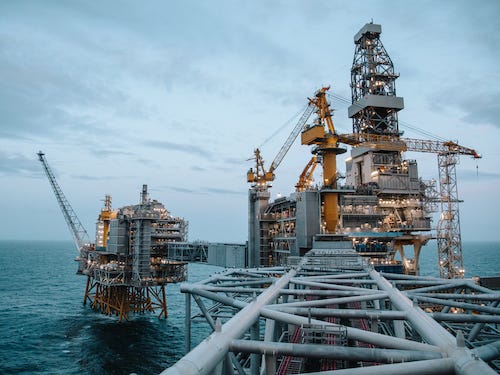
The Interior/Wikimedia Commons

The Interior/Wikimedia Commons

Limited access to insurance is emerging as a big obstacle for Canadian tar sands/oil sands companies aiming to get new projects off the ground, just a year or two after campaigners began setting their sights on getting insurers to abandon fossil fuels, CBC reports.

The new vulnerability for fossil producers came into focus earlier this year when federally-owned Trans Mountain Corporation made a successful pitch to keep the identities of its insurers secret, for fear that climate, energy, and Indigenous rights campaigners would target them to refuse coverage. But the industry’s problem extends far beyond one controversial and contested pipeline expansion.

As far back as 2017, French multinational insurer Axa S.A. was warning that climate regulations and public pressure “could result in significant loss of value (‘stranded assets’) for the most carbon-intensive businesses,” in a note that called the tar sands/oil sands “a particularly carbon-intensive form of energy,” CBC writes. Now, citing industry veteran Joe Seeger, the national broadcaster says the number of big insurers willing to consider tar sands/oil sands projects is down from about 50 to about 25.

Get the latest climate news and analysis, direct to your inbox.

Subscribe Today

View our latest digests

“When big players likes Axa, Allianz, and Zurich announce they are reducing their exposure to emission-intensive sectors such as the oilsands, amid ‘an increasing climate crisis,’ they can pull out hundreds of millions of dollars of insurance coverage,” CBC says.

“It really is a supply and demand situation, where we always go to our clients and have the bad news of [explaining] there are fewer insurers, and we have to try to figure out new ways to do the business,” Seeger said. As a result, “based on the coverages that you can get, I don’t know if you’d see any more of these megaprojects go on in the oilsands anymore. I just don’t see the ability to financially backstop some of the megaprojects that put the oilsands on the map.”

Colossal fossils like ExxonMobil and Royal Dutch Shell, as well as big Canadian producers like Suncor Energy, can get around the problem by self-insuring, CBC explains. “But smaller companies don’t have the same luxury,” even though “adequate insurance for a large industrial facility is often required by banks and other investors.”

Ironically enough for an industry that touts itself as an “ethical” alternative to oil from other parts of the world, CBC says the Alberta industry is now turning to insurers in China and Saudi Arabia in its quest for coverage.

Rainforest Action Network climate justice campaigner Elana Sulakshana told CBC the focus on fossils’ insurance providers “is not a silver bullet,” since many companies can self-insure and the majority of the world’s oil and gas production comes from state-owned enterprises. “The climate movement has a lot of work to do to grapple with how we’re challenging the buildout of oil and gas infrastructure in some of those petro-nations like Saudi Arabia and Russia,” she said.

At the same time, Trans Mountain’s successful plea to the Canada Energy Regulator to suppress the names of its insurers “is certainly a sign that the pressure on the insurance companies is working.”

CBC has video of an interview with Elana Sulakshana.



in Canada, Climate Action, Community Climate Finance, Fossil Fuels, Oil Sands, Pipelines / Rail Transport, Regions

Trending Stories

CC BY-SA 3.0/wikimedia commons
Data Centres & Tech

O’Leary Data Centre Megaproject Faces Two New Applications for Judicial Reviews

October 18, 2026
995
picryl
Policy & Politics

Canada Backsliding on Climate in ‘Same Direction’ as U.S., Tracker Finds

October 17, 2026
883
Still from a Sturgeon County video (YouTube)
Data Centres & Tech

Alberta Tribunal To Decide Whether Challenge To Meta Data Centre Can Proceed

October 17, 2026
771

Leave a Reply Cancel reply

Your email address will not be published. Required fields are marked *

I agree to the Terms & Conditions and Privacy Policy.

Get the latest climate news and analysis, direct to your inbox.

Subscribe Today

Ruminations on Climate Change and Evil

by Mitchell Beer
October 18, 2026

…

Follow Us

Limited Insurance Access Impedes New Tar Sands/Oil Sands Projects

June 2, 2021
Reading time: 3 minutes

The Interior/Wikimedia Commons

The Interior/Wikimedia Commons

Limited access to insurance is emerging as a big obstacle for Canadian tar sands/oil sands companies aiming to get new projects off the ground, just a year or two after campaigners began setting their sights on getting insurers to abandon fossil fuels, CBC reports.

The new vulnerability for fossil producers came into focus earlier this year when federally-owned Trans Mountain Corporation made a successful pitch to keep the identities of its insurers secret, for fear that climate, energy, and Indigenous rights campaigners would target them to refuse coverage. But the industry’s problem extends far beyond one controversial and contested pipeline expansion.

As far back as 2017, French multinational insurer Axa S.A. was warning that climate regulations and public pressure “could result in significant loss of value (‘stranded assets’) for the most carbon-intensive businesses,” in a note that called the tar sands/oil sands “a particularly carbon-intensive form of energy,” CBC writes. Now, citing industry veteran Joe Seeger, the national broadcaster says the number of big insurers willing to consider tar sands/oil sands projects is down from about 50 to about 25.

Get the latest climate news and analysis, direct to your inbox.

Subscribe Today

View our latest digests

“When big players likes Axa, Allianz, and Zurich announce they are reducing their exposure to emission-intensive sectors such as the oilsands, amid ‘an increasing climate crisis,’ they can pull out hundreds of millions of dollars of insurance coverage,” CBC says.

“It really is a supply and demand situation, where we always go to our clients and have the bad news of [explaining] there are fewer insurers, and we have to try to figure out new ways to do the business,” Seeger said. As a result, “based on the coverages that you can get, I don’t know if you’d see any more of these megaprojects go on in the oilsands anymore. I just don’t see the ability to financially backstop some of the megaprojects that put the oilsands on the map.”

Colossal fossils like ExxonMobil and Royal Dutch Shell, as well as big Canadian producers like Suncor Energy, can get around the problem by self-insuring, CBC explains. “But smaller companies don’t have the same luxury,” even though “adequate insurance for a large industrial facility is often required by banks and other investors.”

Ironically enough for an industry that touts itself as an “ethical” alternative to oil from other parts of the world, CBC says the Alberta industry is now turning to insurers in China and Saudi Arabia in its quest for coverage.

Rainforest Action Network climate justice campaigner Elana Sulakshana told CBC the focus on fossils’ insurance providers “is not a silver bullet,” since many companies can self-insure and the majority of the world’s oil and gas production comes from state-owned enterprises. “The climate movement has a lot of work to do to grapple with how we’re challenging the buildout of oil and gas infrastructure in some of those petro-nations like Saudi Arabia and Russia,” she said.

At the same time, Trans Mountain’s successful plea to the Canada Energy Regulator to suppress the names of its insurers “is certainly a sign that the pressure on the insurance companies is working.”

CBC has video of an interview with Elana Sulakshana.


in Canada, Climate Action, Community Climate Finance, Fossil Fuels, Oil Sands, Pipelines / Rail Transport, Regions

Leave a Reply Cancel reply

Your email address will not be published. Required fields are marked *

I agree to the Terms & Conditions and Privacy Policy.

Trending Stories

CC BY-SA 3.0/wikimedia commons

O’Leary Data Centre Megaproject Faces Two New Applications for Judicial Reviews

October 18, 2026
995
picryl

Canada Backsliding on Climate in ‘Same Direction’ as U.S., Tracker Finds

October 17, 2026
883
Still from a Sturgeon County video (YouTube)

Alberta Tribunal To Decide Whether Challenge To Meta Data Centre Can Proceed

October 17, 2026
771

Ruminations on Climate Change and Evil

by Mitchell Beer
October 18, 2026

…

Follow Us

Copyright 2026 © Energy Mix Productions Inc. All rights reserved.

  • About
  • Contact
  • Privacy Policy and Copyright
  • Cookie Policy
No Result
View All Result
  • Topics
    • Buildings & Infrastructure
    • Climate Equity & Justice
      • Energy Poverty
      • Indigenous Rights & Reconciliation
    • Climate Finance
      • Community Climate Finance
      • Finance & Investment
      • Insurance & Liability
      • Subsidies
    • Climate Impacts & Adaptation
      • Biodiversity & Habitat
      • Drought & Wildfires
      • Forests & Deforestation
      • Health & Safety
      • Heat & Temperature
      • Ice Loss & Sea Level Rise
      • Severe Storms & Flooding
    • Emissions
      • Carbon Levels & Measurement
      • CCS & Negative Emissions
      • Methane
    • Energy
      • Renewables
      • Fossil Fuels
      • Hydrogen
      • Nuclear
      • Batteries & Storage
      • Energy Efficiency
      • Power Grids
    • Food & Agriculture
    • Industry
      • Data Centres & Tech
      • Critical Minerals & Mining
      • Petrochemicals & Plastics
    • Policy & Politics
      • Carbon Pricing
      • COP Conferences
      • Elections
      • Energy Politics
      • International Security & War
      • Legal & Regulatory
    • Research & Innovation
      • International Agencies & Studies
      • Research & Development
    • Society & Culture
      • Climate Action
      • Mis/Disinformation & Greenwashing
      • Jobs & Training
      • Leisure & Recreation
      • Media, Messaging, & Public Opinion
    • Transportation & Mobility
      • Electric Vehicles
      • Shipping & Aviation
      • Transit
      • Walking, Biking & Micromobility
  • Regions
    • Africa
    • Arctic & Antarctica
    • Asia
    • Australia
    • Canada
    • International
    • Mexico & the Caribbean
    • Middle East
    • Oceans
    • Small Island States
    • South & Central America
    • Subnational
    • United States
    • UK & Europe
  • Special Coverage
    • The Weekender
    • IEA2026
    • Canada’s Major Projects Office
    • Hidden Wonder Valley
    • COP30
    • Cities & Communities
    • Heat & Power
    • Community Climate Finance
  • More Resources
    • Climate Glossary
    • What If We Changed the Conversation on Climate Change?
    • Eco-Anxiety
  • About
  • Contact

Copyright 2025 © Smarter Shift Inc. and Energy Mix Productions Inc. All rights reserved.

Manage Cookie Consent
To provide the best experiences, we use technologies like cookies to store and/or access device information. Consenting to these technologies will allow us to process data such as browsing behaviour or unique IDs on this site. Not consenting or withdrawing consent, may adversely affect certain features and functions.
Functional Always active
The technical storage or access is strictly necessary for the legitimate purpose of enabling the use of a specific service explicitly requested by the subscriber or user, or for the sole purpose of carrying out the transmission of a communication over an electronic communications network.
Preferences
The technical storage or access is necessary for the legitimate purpose of storing preferences that are not requested by the subscriber or user.
Statistics
The technical storage or access that is used exclusively for statistical purposes. The technical storage or access that is used exclusively for anonymous statistical purposes. Without a subpoena, voluntary compliance on the part of your Internet Service Provider, or additional records from a third party, information stored or retrieved for this purpose alone cannot usually be used to identify you.
Marketing
The technical storage or access is required to create user profiles to send advertising, or to track the user on a website or across several websites for similar marketing purposes.
  • Manage options
  • Manage services
  • Manage {vendor_count} vendors
  • Read more about these purposes
View preferences
  • {title}
  • {title}
  • {title}
No Result
View All Result
  • Topics
    • Buildings & Infrastructure
    • Climate Equity & Justice
      • Energy Poverty
      • Indigenous Rights & Reconciliation
    • Climate Finance
      • Community Climate Finance
      • Finance & Investment
      • Insurance & Liability
      • Subsidies
    • Climate Impacts & Adaptation
      • Biodiversity & Habitat
      • Drought & Wildfires
      • Forests & Deforestation
      • Health & Safety
      • Heat & Temperature
      • Ice Loss & Sea Level Rise
      • Severe Storms & Flooding
    • Emissions
      • Carbon Levels & Measurement
      • CCS & Negative Emissions
      • Methane
    • Energy
      • Renewables
      • Fossil Fuels
      • Hydrogen
      • Nuclear
      • Batteries & Storage
      • Energy Efficiency
      • Power Grids
    • Food & Agriculture
    • Industry
      • Data Centres & Tech
      • Critical Minerals & Mining
      • Petrochemicals & Plastics
    • Policy & Politics
      • Carbon Pricing
      • COP Conferences
      • Elections
      • Energy Politics
      • International Security & War
      • Legal & Regulatory
    • Research & Innovation
      • International Agencies & Studies
      • Research & Development
    • Society & Culture
      • Climate Action
      • Mis/Disinformation & Greenwashing
      • Jobs & Training
      • Leisure & Recreation
      • Media, Messaging, & Public Opinion
    • Transportation & Mobility
      • Electric Vehicles
      • Shipping & Aviation
      • Transit
      • Walking, Biking & Micromobility
  • Regions
    • Africa
    • Arctic & Antarctica
    • Asia
    • Australia
    • Canada
    • International
    • Mexico & the Caribbean
    • Middle East
    • Oceans
    • Small Island States
    • South & Central America
    • Subnational
    • United States
    • UK & Europe
  • Special Coverage
    • The Weekender
    • IEA2026
    • Canada’s Major Projects Office
    • Hidden Wonder Valley
    • COP30
    • Cities & Communities
    • Heat & Power
    • Community Climate Finance
  • More Resources
    • Climate Glossary
    • What If We Changed the Conversation on Climate Change?
    • Eco-Anxiety
  • About
  • Contact

Copyright 2025 © Smarter Shift Inc. and Energy Mix Productions Inc. All rights reserved.