The Energy Mix
Subscribe
Donate
  • Topics
    • Buildings & Infrastructure
    • Climate Equity & Justice
      • Energy Poverty
      • Indigenous Rights & Reconciliation
    • Climate Finance
      • Community Climate Finance
      • Finance & Investment
      • Insurance & Liability
      • Subsidies
    • Climate Impacts & Adaptation
      • Biodiversity & Habitat
      • Drought & Wildfires
      • Forests & Deforestation
      • Health & Safety
      • Heat & Temperature
      • Ice Loss & Sea Level Rise
      • Severe Storms & Flooding
    • Emissions
      • Carbon Levels & Measurement
      • CCS & Negative Emissions
      • Methane
    • Energy
      • Renewables
      • Fossil Fuels
      • Hydrogen
      • Nuclear
      • Batteries & Storage
      • Energy Efficiency
      • Power Grids
    • Food & Agriculture
    • Industry
      • Data Centres & Tech
      • Critical Minerals & Mining
      • Petrochemicals & Plastics
    • Policy & Politics
      • Carbon Pricing
      • COP Conferences
      • Elections
      • Energy Politics
      • International Security & War
      • Legal & Regulatory
    • Research & Innovation
      • International Agencies & Studies
      • Research & Development
    • Society & Culture
      • Climate Action
      • Mis/Disinformation & Greenwashing
      • Jobs & Training
      • Leisure & Recreation
      • Media, Messaging, & Public Opinion
    • Transportation & Mobility
      • Electric Vehicles
      • Shipping & Aviation
      • Transit
      • Walking, Biking & Micromobility
  • Regions
    • Africa
    • Arctic & Antarctica
    • Asia
    • Australia
    • Canada
    • International
    • Mexico & the Caribbean
    • Middle East
    • Oceans
    • Small Island States
    • South & Central America
    • Subnational
    • United States
    • UK & Europe
  • Special Coverage
    • The Weekender
    • IEA2026
    • Canada’s Major Projects Office
    • Hidden Wonder Valley
    • COP30
    • Cities & Communities
    • Heat & Power
    • Community Climate Finance
  • More Resources
  • About
  • Contact
No Result
View All Result
The Energy Mix
  • Topics
    • Buildings & Infrastructure
    • Climate Equity & Justice
      • Energy Poverty
      • Indigenous Rights & Reconciliation
    • Climate Finance
      • Community Climate Finance
      • Finance & Investment
      • Insurance & Liability
      • Subsidies
    • Climate Impacts & Adaptation
      • Biodiversity & Habitat
      • Drought & Wildfires
      • Forests & Deforestation
      • Health & Safety
      • Heat & Temperature
      • Ice Loss & Sea Level Rise
      • Severe Storms & Flooding
    • Emissions
      • Carbon Levels & Measurement
      • CCS & Negative Emissions
      • Methane
    • Energy
      • Renewables
      • Fossil Fuels
      • Hydrogen
      • Nuclear
      • Batteries & Storage
      • Energy Efficiency
      • Power Grids
    • Food & Agriculture
    • Industry
      • Data Centres & Tech
      • Critical Minerals & Mining
      • Petrochemicals & Plastics
    • Policy & Politics
      • Carbon Pricing
      • COP Conferences
      • Elections
      • Energy Politics
      • International Security & War
      • Legal & Regulatory
    • Research & Innovation
      • International Agencies & Studies
      • Research & Development
    • Society & Culture
      • Climate Action
      • Mis/Disinformation & Greenwashing
      • Jobs & Training
      • Leisure & Recreation
      • Media, Messaging, & Public Opinion
    • Transportation & Mobility
      • Electric Vehicles
      • Shipping & Aviation
      • Transit
      • Walking, Biking & Micromobility
  • Regions
    • Africa
    • Arctic & Antarctica
    • Asia
    • Australia
    • Canada
    • International
    • Mexico & the Caribbean
    • Middle East
    • Oceans
    • Small Island States
    • South & Central America
    • Subnational
    • United States
    • UK & Europe
  • Special Coverage
    • The Weekender
    • IEA2026
    • Canada’s Major Projects Office
    • Hidden Wonder Valley
    • COP30
    • Cities & Communities
    • Heat & Power
    • Community Climate Finance
  • More Resources
  • About
  • Contact
Subscribe
Donate
The Energy Mix
Subscribe

Fast-Warming Europe Unprepared for ‘Catastrophic’ Climate Risk, First-Ever Assessment Shows

March 18, 2024
Reading time: 4 minutes
Full Story: The Associated Press
Author: Carlos Mureithi, Dana Beltaji

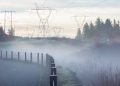
Jordan Bracco/Wikimedia Commons

Jordan Bracco/Wikimedia Commons

This story includes details on the impacts of climate change that may be difficult for some readers. If you are feeling overwhelmed by this crisis situation here is a list of resources on how to cope with fears and feelings about the scope and pace of the climate crisis.

Europe is facing growing climate risks and is unprepared for them, the European Environment Agency said in its first-ever risk assessment for the bloc last week.

The agency said Europe is prone to more frequent and more punishing weather extremes—including increasing wildfires, drought, more unusual rainfall patterns, and flooding—and it needs to immediately address them in order to protect its energy, food security, water, and health, The Associated Press reports.

These climate risks “are growing faster than our societal preparedness,” EEA Executive Director Leena Ylä-Mononen said in a statement.

The report identified 36 major climate risks for the continent, such as threats to ecosystems, economies, health and food systems, and found that more than half demand greater action now. It classified eight as needing urgent attention—like conserving ecosystems, protecting people against heat, protecting people and infrastructure from floods and wildfires, and securing relief funds for disasters.

The report said Europe is the world’s fastest-warming continent and has been heating up twice as fast as other regions since the 1980s. The heat has been linked to more intense rains and floods, and the report predicts rainfall decline and more severe droughts in southern Europe.

Get the latest climate news and analysis, direct to your inbox.

Subscribe Today

View our latest digests

Without urgent and decisive action, it warns, many of the climate risks it identified could become catastrophic. To reduce climate risks and improve adaptation to warming, it recommends the EU and its member states collaborate with regional and local bodies.

The report is “a huge wake-up call” for the continent, said Manon Dufour, Brussels director for climate think tank E3G, and could have implications for climate policy at both the European and national levels.

At the European level, Dufour said the report could “open the eyes” of European leaders who are currently most focused on security issues, as climate can affect economic and energy security.

On a national level, Dufour said finance ministers in particular should be spurred by the report “to make economic and social resilience the key priority.” She pointed to the report’s finding that economic losses from heat waves and floods could reach €1 trillion per year by the end of the century.

“It’s clearly in our best interest to adapt to changing risks we can no longer avoid, including preparedness for bigger extremes and surprises, and to avoid the risks from getting further out of hand by reducing greenhouse gases,” said Maarten van Aalst, director-general of the Royal Netherlands Meteorological Institute.

Sven Harmeling, head of climate at Climate Action Network Europe, said Europe “can do more, even by 2030,” to slash emissions from the burning of coal, oil, and gas, and can also step up its investments in adapting to climate change, particularly by preserving ecosystems like wetlands and forests that can both absorb carbon and act as natural extreme weather barriers.

He urged that any efforts to reduce the impact of warming “must deliver this in a way that provides social and economic benefits for all.”

Greenpeace EU climate campaigner Silvia Pastorelli agreed, adding that the bloc should focus any resilience programs, like retrofitting homes to help with heating in winter and cooling in summer, on the most vulnerable communities. “Fairness in the climate response is essential,” Pastorelli said.

The report says the EU and its member states have made “considerable progress” in understanding their climate risks and preparing for them.

For example, Europe “has done well in relation to coastal flooding,” according to Julie Berckmans, an EEA climate risk expert. She said there have been no catastrophic storm floods on the continent in 60 years, and some progress has also been made in managing the health risks from heat and large river floods.

But more action is needed in all these areas “because the risks are increasing rapidly,” she said. As a case in point, heat stress to populations is at critical levels, Berckmans said. One solution, she said, is for countries and cities to improve their spatial planning to be more fit for the future health risk from heat.

The European Commission will present its plan of action on Tuesday in response to the report.

EU Commission spokesperson Tim McPhie said EEA’s report has “given a very clear warning and a very clear call to action of what’s to come.”

This Associated Press story was republished by The Canadian Press on March 11, 2024.


in Biodiversity & Habitat, Buildings & Infrastructure, Cities & Communities, Climate Equity & Justice, Drought & Wildfires, Food & Agriculture, Health & Safety, Heat & Temperature, Severe Storms & Flooding, UK & Europe

Trending Stories

More than one-third of the Jasper townsite was destroyed by wildfire in 2024  (Laura Durno/Twitter)
Drought & Wildfires

Climate Change Made High Temperatures Twice as Likely Before Jasper Wildfire

August 22, 2024
2.3k
Finance Minister François-Philippe Champagne at 2025 Collision Conferencef/flickr
Finance & Investment

Federal Budget Funds Clean Grid and Energy Efficiency, Touts ‘Investment Supercycle’ Built on Major Projects

November 6, 2026
995
PixTreats/pixabay
International Agencies & Studies

IEA Sees Renewables Surging World-Wide as Countries Seek Energy Security, Lower Costs

November 6, 2026
600

Leave a Reply Cancel reply

Your email address will not be published. Required fields are marked *

I agree to the Terms & Conditions and Privacy Policy.

Get the latest climate news and analysis, direct to your inbox.

Subscribe Today

Related Articles

‘Piercing Cold’ Produces Power Outages Across Canada and U.S., Methane Leaks in Texas

‘Piercing Cold’ Produces Power Outages Across Canada and U.S., Methane Leaks in Texas

January 26, 2026
Wildfires, Flooding Hit Communities on 3 Continents

Wildfires, Flooding Hit Communities on 3 Continents

January 21, 2026
Cloud Seeding Brings Floods as Iran’s Drought Deepens

Cloud Seeding Brings Floods as Iran’s Drought Deepens

November 18, 2025

An ‘Extinction-Level Event’ for Trump. A Renewable Energy Surge. A Spiralling Climate Crisis. Is Your Head Spinning Yet?

by Mitchell Beer
November 8, 2026

…

Follow Us

Fast-Warming Europe Unprepared for ‘Catastrophic’ Climate Risk, First-Ever Assessment Shows

March 18, 2024
Reading time: 4 minutes
Full Story: The Associated Press
Author: Carlos Mureithi, Dana Beltaji

Jordan Bracco/Wikimedia Commons

Jordan Bracco/Wikimedia Commons

This story includes details on the impacts of climate change that may be difficult for some readers. If you are feeling overwhelmed by this crisis situation here is a list of resources on how to cope with fears and feelings about the scope and pace of the climate crisis.

Europe is facing growing climate risks and is unprepared for them, the European Environment Agency said in its first-ever risk assessment for the bloc last week.

The agency said Europe is prone to more frequent and more punishing weather extremes—including increasing wildfires, drought, more unusual rainfall patterns, and flooding—and it needs to immediately address them in order to protect its energy, food security, water, and health, The Associated Press reports.

These climate risks “are growing faster than our societal preparedness,” EEA Executive Director Leena Ylä-Mononen said in a statement.

The report identified 36 major climate risks for the continent, such as threats to ecosystems, economies, health and food systems, and found that more than half demand greater action now. It classified eight as needing urgent attention—like conserving ecosystems, protecting people against heat, protecting people and infrastructure from floods and wildfires, and securing relief funds for disasters.

The report said Europe is the world’s fastest-warming continent and has been heating up twice as fast as other regions since the 1980s. The heat has been linked to more intense rains and floods, and the report predicts rainfall decline and more severe droughts in southern Europe.

Get the latest climate news and analysis, direct to your inbox.

Subscribe Today

View our latest digests

Without urgent and decisive action, it warns, many of the climate risks it identified could become catastrophic. To reduce climate risks and improve adaptation to warming, it recommends the EU and its member states collaborate with regional and local bodies.

The report is “a huge wake-up call” for the continent, said Manon Dufour, Brussels director for climate think tank E3G, and could have implications for climate policy at both the European and national levels.

At the European level, Dufour said the report could “open the eyes” of European leaders who are currently most focused on security issues, as climate can affect economic and energy security.

On a national level, Dufour said finance ministers in particular should be spurred by the report “to make economic and social resilience the key priority.” She pointed to the report’s finding that economic losses from heat waves and floods could reach €1 trillion per year by the end of the century.

“It’s clearly in our best interest to adapt to changing risks we can no longer avoid, including preparedness for bigger extremes and surprises, and to avoid the risks from getting further out of hand by reducing greenhouse gases,” said Maarten van Aalst, director-general of the Royal Netherlands Meteorological Institute.

Sven Harmeling, head of climate at Climate Action Network Europe, said Europe “can do more, even by 2030,” to slash emissions from the burning of coal, oil, and gas, and can also step up its investments in adapting to climate change, particularly by preserving ecosystems like wetlands and forests that can both absorb carbon and act as natural extreme weather barriers.

He urged that any efforts to reduce the impact of warming “must deliver this in a way that provides social and economic benefits for all.”

Greenpeace EU climate campaigner Silvia Pastorelli agreed, adding that the bloc should focus any resilience programs, like retrofitting homes to help with heating in winter and cooling in summer, on the most vulnerable communities. “Fairness in the climate response is essential,” Pastorelli said.

The report says the EU and its member states have made “considerable progress” in understanding their climate risks and preparing for them.

For example, Europe “has done well in relation to coastal flooding,” according to Julie Berckmans, an EEA climate risk expert. She said there have been no catastrophic storm floods on the continent in 60 years, and some progress has also been made in managing the health risks from heat and large river floods.

But more action is needed in all these areas “because the risks are increasing rapidly,” she said. As a case in point, heat stress to populations is at critical levels, Berckmans said. One solution, she said, is for countries and cities to improve their spatial planning to be more fit for the future health risk from heat.

The European Commission will present its plan of action on Tuesday in response to the report.

EU Commission spokesperson Tim McPhie said EEA’s report has “given a very clear warning and a very clear call to action of what’s to come.”

This Associated Press story was republished by The Canadian Press on March 11, 2024.


in Biodiversity & Habitat, Buildings & Infrastructure, Cities & Communities, Climate Equity & Justice, Drought & Wildfires, Food & Agriculture, Health & Safety, Heat & Temperature, Severe Storms & Flooding, UK & Europe

Leave a Reply Cancel reply

Your email address will not be published. Required fields are marked *

I agree to the Terms & Conditions and Privacy Policy.

Related Articles

‘Piercing Cold’ Produces Power Outages Across Canada and U.S., Methane Leaks in Texas

‘Piercing Cold’ Produces Power Outages Across Canada and U.S., Methane Leaks in Texas

January 26, 2026
Wildfires, Flooding Hit Communities on 3 Continents

Wildfires, Flooding Hit Communities on 3 Continents

January 21, 2026
Cloud Seeding Brings Floods as Iran’s Drought Deepens

Cloud Seeding Brings Floods as Iran’s Drought Deepens

November 18, 2025

Trending Stories

More than one-third of the Jasper townsite was destroyed by wildfire in 2024  (Laura Durno/Twitter)

Climate Change Made High Temperatures Twice as Likely Before Jasper Wildfire

August 22, 2024
2.3k
Finance Minister François-Philippe Champagne at 2025 Collision Conferencef/flickr

Federal Budget Funds Clean Grid and Energy Efficiency, Touts ‘Investment Supercycle’ Built on Major Projects

November 6, 2026
995
PixTreats/pixabay

IEA Sees Renewables Surging World-Wide as Countries Seek Energy Security, Lower Costs

November 6, 2026
600

An ‘Extinction-Level Event’ for Trump. A Renewable Energy Surge. A Spiralling Climate Crisis. Is Your Head Spinning Yet?

by Mitchell Beer
November 8, 2026

…

Follow Us

Copyright 2026 © Energy Mix Productions Inc. All rights reserved.

  • About
  • Contact
  • Privacy Policy and Copyright
  • Cookie Policy
No Result
View All Result
  • Topics
    • Buildings & Infrastructure
    • Climate Equity & Justice
      • Energy Poverty
      • Indigenous Rights & Reconciliation
    • Climate Finance
      • Community Climate Finance
      • Finance & Investment
      • Insurance & Liability
      • Subsidies
    • Climate Impacts & Adaptation
      • Biodiversity & Habitat
      • Drought & Wildfires
      • Forests & Deforestation
      • Health & Safety
      • Heat & Temperature
      • Ice Loss & Sea Level Rise
      • Severe Storms & Flooding
    • Emissions
      • Carbon Levels & Measurement
      • CCS & Negative Emissions
      • Methane
    • Energy
      • Renewables
      • Fossil Fuels
      • Hydrogen
      • Nuclear
      • Batteries & Storage
      • Energy Efficiency
      • Power Grids
    • Food & Agriculture
    • Industry
      • Data Centres & Tech
      • Critical Minerals & Mining
      • Petrochemicals & Plastics
    • Policy & Politics
      • Carbon Pricing
      • COP Conferences
      • Elections
      • Energy Politics
      • International Security & War
      • Legal & Regulatory
    • Research & Innovation
      • International Agencies & Studies
      • Research & Development
    • Society & Culture
      • Climate Action
      • Mis/Disinformation & Greenwashing
      • Jobs & Training
      • Leisure & Recreation
      • Media, Messaging, & Public Opinion
    • Transportation & Mobility
      • Electric Vehicles
      • Shipping & Aviation
      • Transit
      • Walking, Biking & Micromobility
  • Regions
    • Africa
    • Arctic & Antarctica
    • Asia
    • Australia
    • Canada
    • International
    • Mexico & the Caribbean
    • Middle East
    • Oceans
    • Small Island States
    • South & Central America
    • Subnational
    • United States
    • UK & Europe
  • Special Coverage
    • The Weekender
    • IEA2026
    • Canada’s Major Projects Office
    • Hidden Wonder Valley
    • COP30
    • Cities & Communities
    • Heat & Power
    • Community Climate Finance
  • More Resources
  • About
  • Contact

Copyright 2025 © Smarter Shift Inc. and Energy Mix Productions Inc. All rights reserved.

Manage Cookie Consent
To provide the best experiences, we use technologies like cookies to store and/or access device information. Consenting to these technologies will allow us to process data such as browsing behaviour or unique IDs on this site. Not consenting or withdrawing consent, may adversely affect certain features and functions.
Functional Always active
The technical storage or access is strictly necessary for the legitimate purpose of enabling the use of a specific service explicitly requested by the subscriber or user, or for the sole purpose of carrying out the transmission of a communication over an electronic communications network.
Preferences
The technical storage or access is necessary for the legitimate purpose of storing preferences that are not requested by the subscriber or user.
Statistics
The technical storage or access that is used exclusively for statistical purposes. The technical storage or access that is used exclusively for anonymous statistical purposes. Without a subpoena, voluntary compliance on the part of your Internet Service Provider, or additional records from a third party, information stored or retrieved for this purpose alone cannot usually be used to identify you.
Marketing
The technical storage or access is required to create user profiles to send advertising, or to track the user on a website or across several websites for similar marketing purposes.
  • Manage options
  • Manage services
  • Manage {vendor_count} vendors
  • Read more about these purposes
View preferences
  • {title}
  • {title}
  • {title}
No Result
View All Result
  • Topics
    • Buildings & Infrastructure
    • Climate Equity & Justice
      • Energy Poverty
      • Indigenous Rights & Reconciliation
    • Climate Finance
      • Community Climate Finance
      • Finance & Investment
      • Insurance & Liability
      • Subsidies
    • Climate Impacts & Adaptation
      • Biodiversity & Habitat
      • Drought & Wildfires
      • Forests & Deforestation
      • Health & Safety
      • Heat & Temperature
      • Ice Loss & Sea Level Rise
      • Severe Storms & Flooding
    • Emissions
      • Carbon Levels & Measurement
      • CCS & Negative Emissions
      • Methane
    • Energy
      • Renewables
      • Fossil Fuels
      • Hydrogen
      • Nuclear
      • Batteries & Storage
      • Energy Efficiency
      • Power Grids
    • Food & Agriculture
    • Industry
      • Data Centres & Tech
      • Critical Minerals & Mining
      • Petrochemicals & Plastics
    • Policy & Politics
      • Carbon Pricing
      • COP Conferences
      • Elections
      • Energy Politics
      • International Security & War
      • Legal & Regulatory
    • Research & Innovation
      • International Agencies & Studies
      • Research & Development
    • Society & Culture
      • Climate Action
      • Mis/Disinformation & Greenwashing
      • Jobs & Training
      • Leisure & Recreation
      • Media, Messaging, & Public Opinion
    • Transportation & Mobility
      • Electric Vehicles
      • Shipping & Aviation
      • Transit
      • Walking, Biking & Micromobility
  • Regions
    • Africa
    • Arctic & Antarctica
    • Asia
    • Australia
    • Canada
    • International
    • Mexico & the Caribbean
    • Middle East
    • Oceans
    • Small Island States
    • South & Central America
    • Subnational
    • United States
    • UK & Europe
  • Special Coverage
    • The Weekender
    • IEA2026
    • Canada’s Major Projects Office
    • Hidden Wonder Valley
    • COP30
    • Cities & Communities
    • Heat & Power
    • Community Climate Finance
  • More Resources
  • About
  • Contact

Copyright 2025 © Smarter Shift Inc. and Energy Mix Productions Inc. All rights reserved.